Reader Stories
I Refused Knee Injections for 2 Years. Here’s What Happened to My Joint Pain.
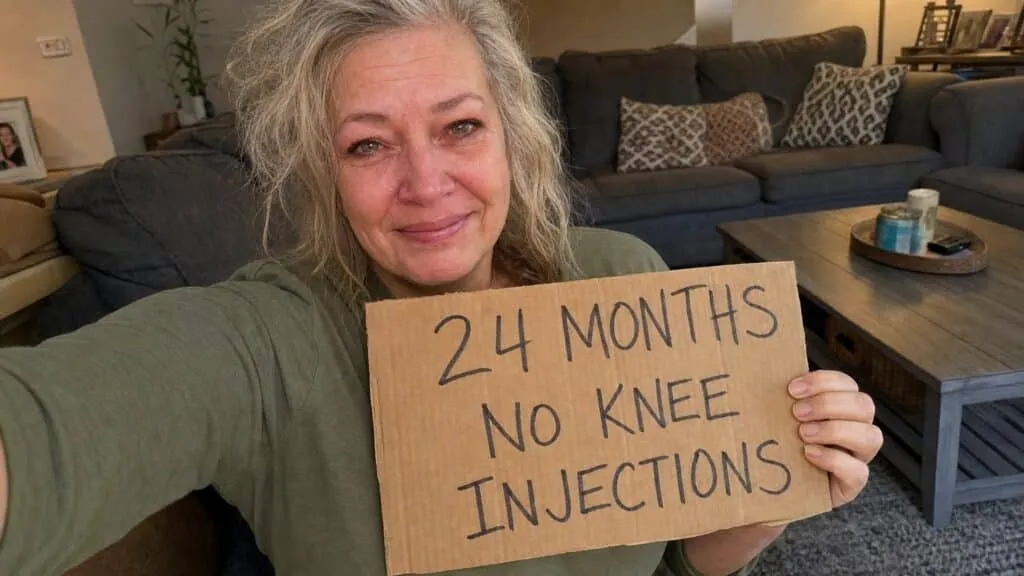
And by the end of this, you’ll understand why I made the choice I did.
Because there are three things happening right now:
One – Your joint pain is giving you a countdown to surgery that you don’t want
Two – Standard treatments like cortisone shots and surgery may not be the only options available
And three – There are natural approaches that many people are exploring alongside traditional care
So let me tell you what happened with my mother, because her story is what motivated me to explore alternatives.
For YEARS, and I mean over a decade straight, my mother went through years of joint treatments.
Started with cortisone shots. Her doctor said they were “the gold standard” for knee osteoarthritis. Said she’d need them every few months but they were “safe and effective.”
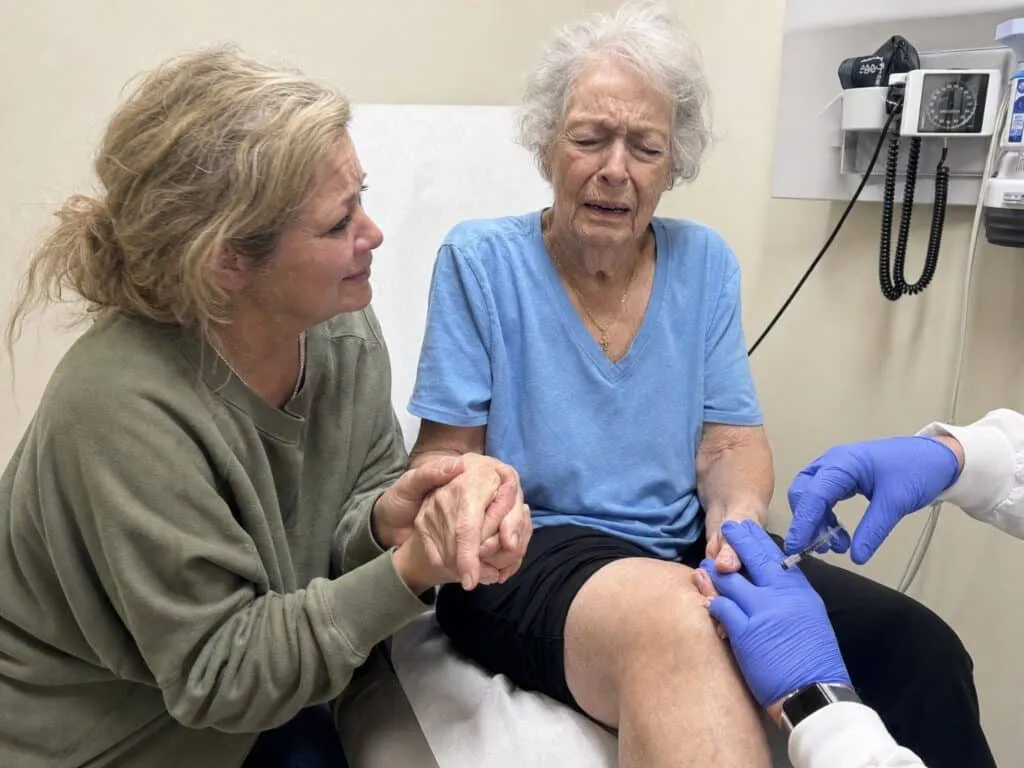
Within six months, the shots stopped working as well.
Not like she was imagining it. I’m talking about needing injections every 8 weeks instead of every 12. Then every 6. Then every 4.
That made her dependent on the appointments. That made her plan her whole life around when she could get the next shot.
Her mobility? Completely gone between injections. She’d hobble around the house for days before her appointment, barely able to make it to the bathroom. Woman used to garden for hours. Now she could barely stand long enough to make dinner.
The cartilage deterioration got so bad she could hear grinding with every step.
Her knees would swell up at night. Another time she’d get shooting pain just standing up from her chair. My dad found her gripping the kitchen counter, tears streaming down her face.
And you know what the doctors said when we told them the shots weren’t working anymore?
“That’s normal. Sometimes we need to increase frequency.”
“We can try a different injection — maybe hyaluronic acid.”
“The benefits outweigh the temporary discomfort.”
So they switched her to Synvisc injections.
The pain relief got slightly better. Great, right?
Wrong.
Now her knees would swell massively after each injection. Every single time. She couldn’t predict how bad it would be. Had to keep ice packs everywhere because her joints would balloon up and she’d be bedridden for days.
And the mobility between shots got WORSE. Not better. Worse.
She’d sleep 10 hours a night and still wake up stiff. Couldn’t walk to the mailbox. Lost interest in things she used to enjoy. Just… existing. Going through the motions.
My dad said it was like watching the woman he married slowly disappear.
And here’s the part that made me sick to my stomach years later when I figured this out.
They had her on those injections for YEARS.
Years of side effects. Years of swelling and pain. Years of doctor appointments where they’d adjust the injection type or increase the frequency but never once, not ONE TIME, did anyone say “Hey, maybe we should look at what’s CAUSING your joint breakdown instead of just injecting it forever.”
Until they finally said the words we’d been dreading:
“It’s time to discuss knee replacement surgery.”
She went through with it. Left knee first.
The surgery was “successful.” That’s what they told us.
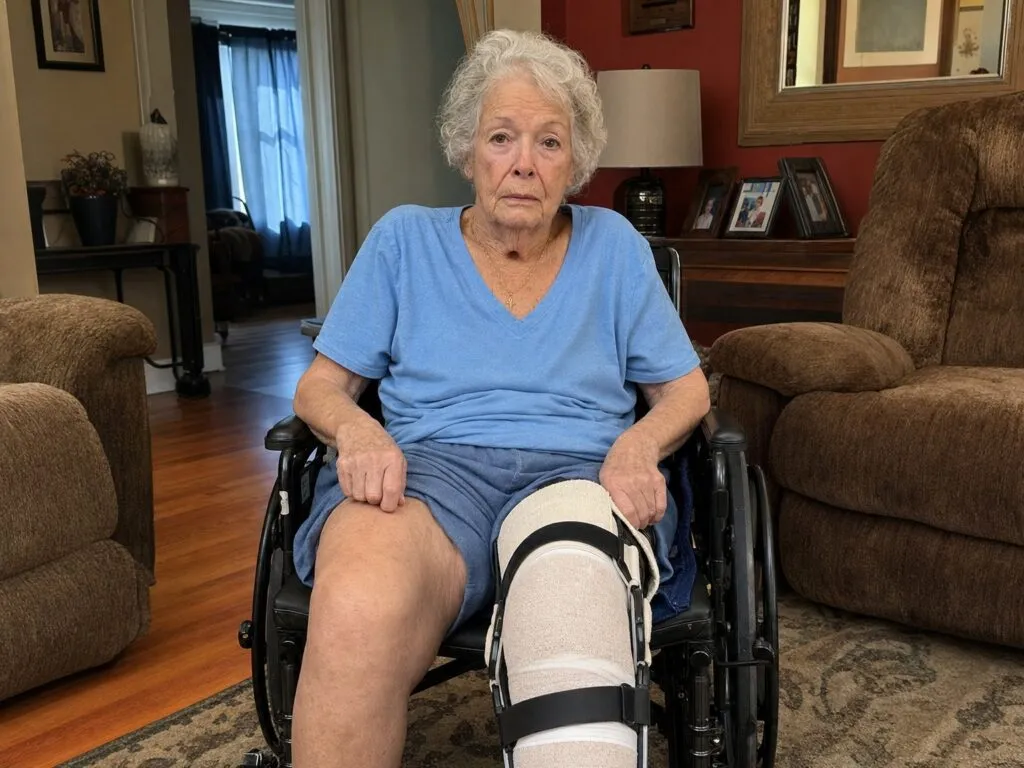
But successful meant six months of grueling physical therapy. Successful meant chronic stiffness that never fully went away. Successful meant she still couldn’t kneel, couldn’t garden, couldn’t sit for long periods without pain.
And then her right knee started going.
They wanted to do the same thing all over again.
She refused. Said she couldn’t go through another surgery. But by then, the damage was done — she spent her last years shuffling from room to room, dependent on a walker, counting down the hours until her next pain pill.
Now, fast forward to two years ago.
I’m 54 years old. I’m helping my husband move a couch. Something pops in my knee.
I sat down, thought I just tweaked something.
It’ll probably pop back in a minute or tomorrow morning max, right?
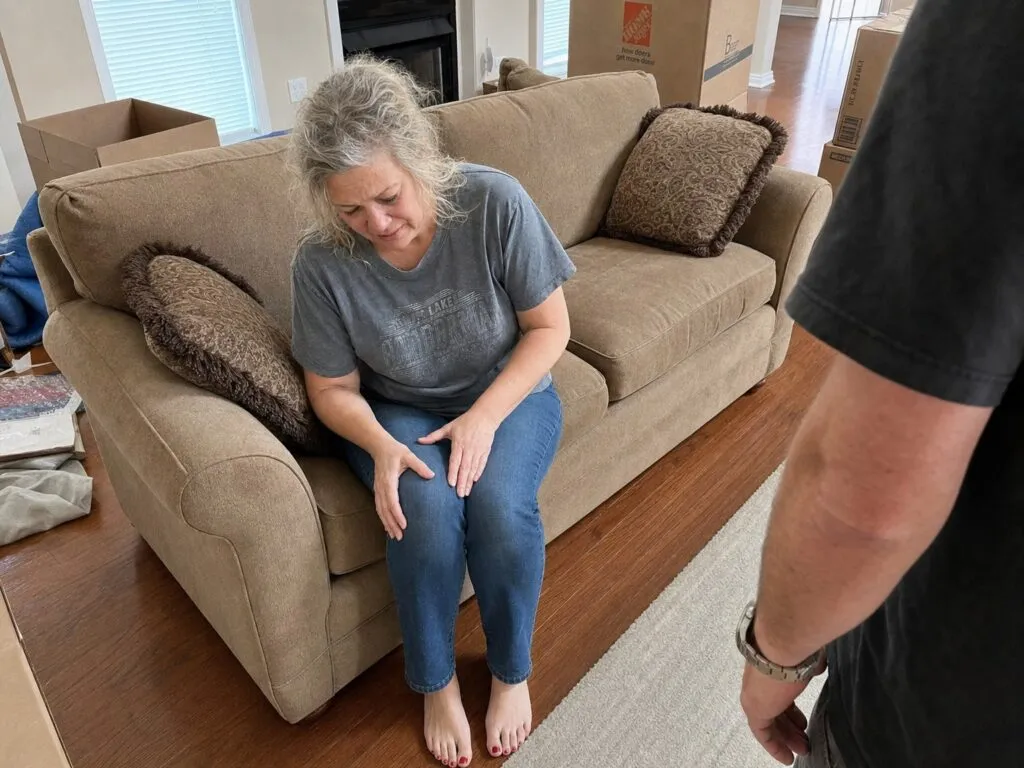
Within a week, I can barely walk.
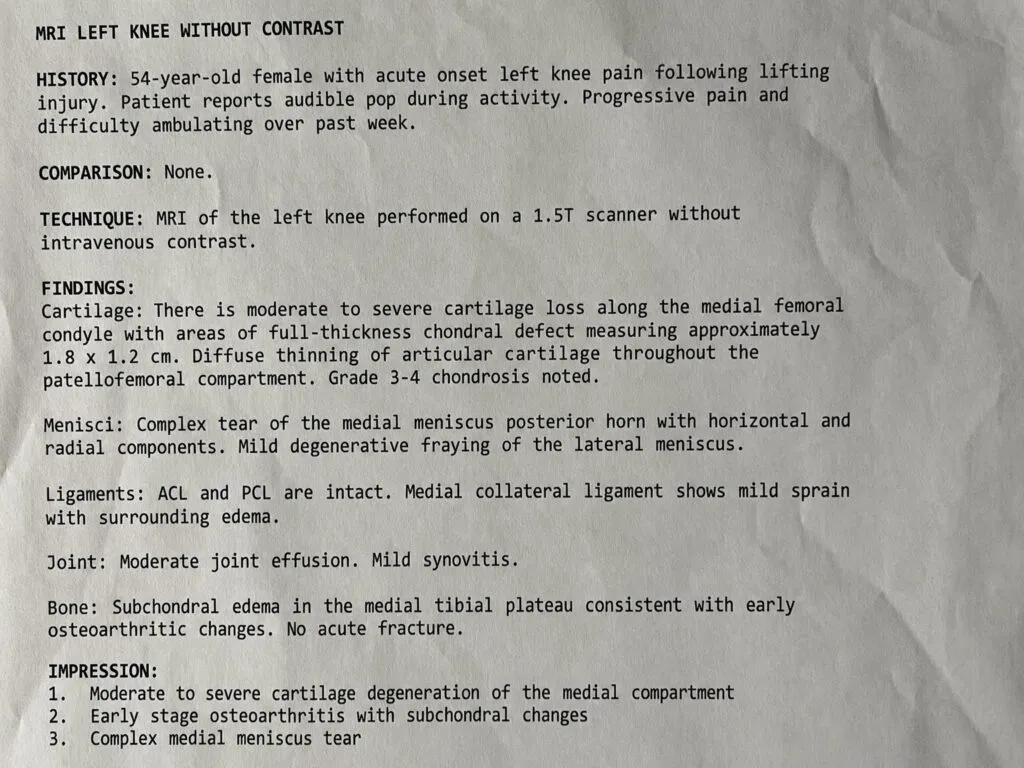
A month later, it’s not getting better. I finally go get an MRI.
Results shows “moderate to severe cartilage degeneration” and “early stage osteoarthritis.”
The orthopedist looks at the scans. Frowns. Taps his pen against the desk.
And he says those words I’d been dreading my entire adult life:
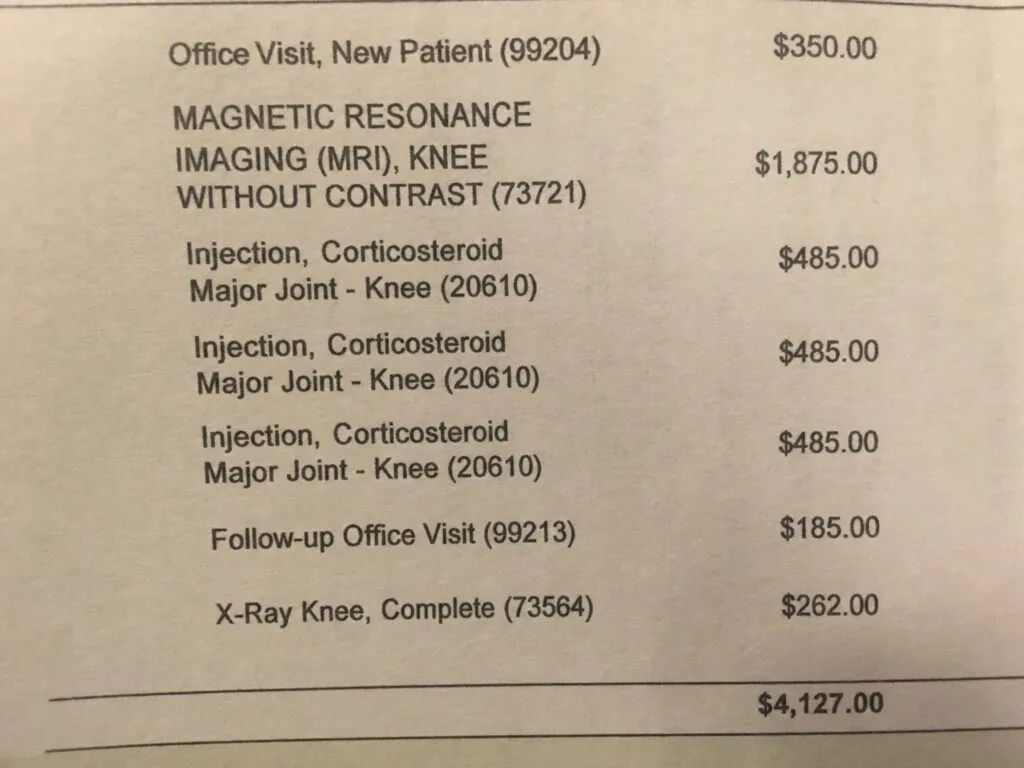
“The cartilage damage is significant. We should start you on cortisone injections to manage the inflammation. If that doesn’t work, we’ll need to discuss surgical options down the road.”
I asked him if there was anything else we could try. Anything besides injections and waiting for it to get bad enough for surgery.
He gave me this look. Like I’d asked him something he didn’t have time for.
“Focus on low-impact exercise. Maybe lose a few pounds. We’ll see where things stand in three months.”
That was it. That was his whole plan. After everything I’d seen my mother go through, I was hoping for more than standard advice.
I sat in the parking lot for twenty minutes after that appointment. Just sitting there, staring at the steering wheel. Because it hit me right then — the standard approach was injections first, then potentially surgery. I wanted to explore whether there were other options.
And I made a decision right there in that parking lot.
I am NOT going under the knife.
I’m not following my mother’s path.
There has to be another way.
So I did what they told me to do, right?
Low-impact exercise. Swimming three times a week. Lost 12 pounds. Started taking glucosamine supplements like everyone recommends.
Three months later, I go back for my follow-up appointment.
Pain level? Still an 8 out of 10 on bad days.
Range of motion? Actually worse.
My doctor pulls out his scheduling tablet.
“I think it’s time we start the cortisone injections. We can do the first one today if you’d like.”
I looked at that tablet and I felt rage building in my chest.
I’d followed all the standard advice — exercise, weight loss, supplements — and was still struggling.
And now the only solution they have is the exact same injection protocol that my mother went through for years?
My husband thought I was being unreasonable.
He said I was scaring him by refusing the injections. He said his buddy at work got cortisone shots and was “totally fine.” He said I was “turning into one of those people” — obsessing over natural remedies instead of listening to my doctor.
That one stung. Because he’d been there for all of it. He’d watched my mother deteriorate for years right alongside me. But somehow now that it was MY turn, I was supposed to just get the shots and shut up about it?
Easy for him to say. He wasn’t the one lying awake at night with grinding knees wondering if he was going to spend the next twenty years shuffling around with a walker like my mom did.
So at this point, I’m furious. At my doctor. At my husband. At all of it.
I started doing my own research:
I wanted to understand what was actually happening at the tissue level — why cartilage breaks down in the first place.
I told my doctor I wanted three more months. He wasn’t happy about it. Gave me this whole speech about “the risks of bone-on-bone damage” and “we need to be proactive about this.”
But I stood my ground.
Three more months.
So I pulled out my laptop and started digging. Because clearly nobody else was going to figure this out for me. Not my doctor with his “let’s just inject it.” Not my husband who thought I should just get the shots and stop making waves.
I mean a DEEP rabbit hole.

I started researching everything about joint pain. What causes cartilage breakdown. Why some people respond to physical therapy and others don’t. What actually happens in your joints at a cellular level.
And every mainstream medical site was giving me the same answers: “Lose weight. Low-impact exercise. NSAIDs for inflammation. Injections if that doesn’t work. Surgery when the joint fails.”
But then I stumbled across this research paper from a rheumatologist who was studying topical delivery systems for joint pain.
And he mentioned something I had literally never heard anyone talk about in the context of arthritis.
Deep tissue penetration.
Now pause for a second.
You know what’s insane?
We all know about anti-inflammatory creams. Bengay. Icy Hot. Tiger Balm. what many people don’t realize is that those creams may barely penetrate past the surface of the skin — potentially never reaching the deeper joint tissue.
Because once you understand how little those surface-level creams actually do, you realize that the reason your joint pain isn’t responding to topical treatments is because the active ingredients are NEVER REACHING where they need to go.
Here’s what deep tissue delivery actually does:
It gets anti-inflammatory compounds, muscle relaxants, and tissue-supporting nutrients directly to the joint capsule, the cartilage, and the surrounding muscle tissue.
When these compounds actually reach the damaged tissue? This approach is designed to help calm inflammation, ease muscle tension, and support joint tissue with targeted nutrients.
But when you’re using surface creams that evaporate before they penetrate?
That’s when topical treatments may fall short of expectations.
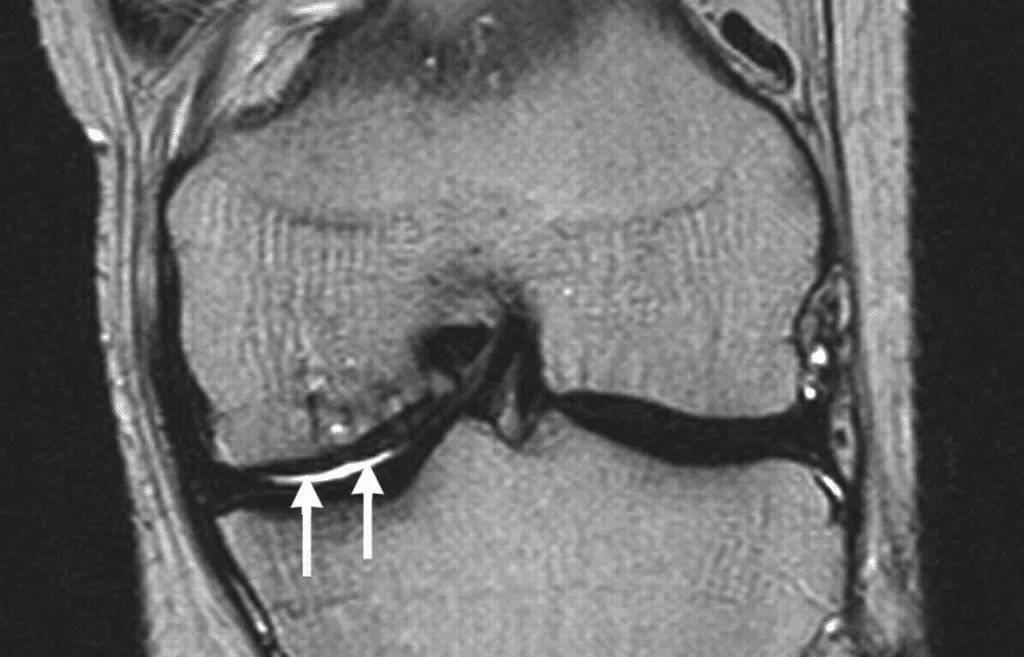
Surface-level treatments may not address deeper joint concerns. That’s why delivery method matters.
So you get:
Morning stiffness that takes 30-45 minutes to work through
Doctor visits that feel like countdowns to injections
That grinding sensation with every step
Wondering whether your joint health will continue to decline
Watching the calendar knowing your next orthopedic appointment is coming
Concern about the possibility of surgery down the road
Questions about what other options might be available
Looking for ways to support joint comfort naturally
And the science actually made sense. It explained everything — why my glucosamine didn’t help, why the physical therapy wasn’t enough, why my joints felt like they were fighting me no matter what I did.
I was surprised this wasn’t more widely discussed. The research on topical delivery systems seemed well-documented, yet it wasn’t something my doctor had mentioned.
Here’s what I found interesting:
Research on topical delivery limitations has been available for some time. Surface creams may not penetrate deeply enough to reach joint tissue, which is why some newer formulations focus on improved delivery methods.
Why?
So I kept digging. Reading clinical studies. Research papers. Talking to people in online forums who’d managed to avoid surgery…
And I found out there’s actual RESEARCH on this. Real clinical work.
Compounds like MSM (methylsulfonylmethane), Magnesium, Boswellia, and Arnica have been studied extensively for joint tissue support — but the key is getting them to actually PENETRATE to the damaged tissue, not just sit on top of your skin.

So I started looking for topical solutions with real penetration technology.
And here’s where I hit a wall.
Many common pain relief creams have limitations. They’re menthol and camphor that create a cooling sensation on your skin.
They may create a temporary sensation of relief on the skin surface. You’re rubbing it on and hoping it works, but nothing is actually reaching where it needs to go.
Some products look impressive on the label, but when you dig into the formulation, it’s mostly water and fragrance with barely any therapeutic compounds that could actually penetrate.
I tried three different “professional strength” gels from Amazon and CVS. Used them religiously for six weeks.
My pain level? Still a 7-8.
My morning stiffness? Still 30+ minutes every single day.
I was about to give up and just get the damn cortisone shot.
But then I found this forum thread where someone mentioned they’d actually gotten their mobility back using a gel with something called “micro-bubble delivery technology” — a system that actually carries the active compounds through the skin barrier and into the joint tissue.
The product was called Kinzeno.
So I went to their website, ready to be disappointed like I had been with every other cream I’d tried.
And I almost fell out of my chair.
They had a three-stage system: immediate cooling relief, deep tissue penetration with MSM and Magnesium, and long-term support with Boswellia and Arnica. Not some watered-down formula stuffed with menthol and fragrance. Real therapeutic compounds. Actually designed to reach the tissue.
Kinzeno uses natural compounds and contains no NSAIDs or steroids.
But that’s not even the part that sold me.
When I dug into the formulation? They weren’t trying to mask pain with cooling sensations that last an hour and don’t touch the root cause.
They understood something simple: your joints need anti-inflammatory support and tissue nutrition delivered DIRECTLY to the damaged area. So they focused on creating a delivery system that actually gets there.
And here’s what really got me: they offer a 60-day money back guarantee. If you don’t notice a difference within 60 days, just reach out and they’ll refund you. No questions asked. That’s how confident they are in what they’re selling.
So I ordered it.
And I’m not gonna lie, I was skeptical as hell. I’d been burned so many times before. But I figured one more attempt before I’d have to go back to my doctor anyway. And with the 60-day guarantee, what did I have to lose?
I started using it every morning and evening. Massaging it into my knees for about 1 minute each.
Day one? Cooling sensation was immediate, but pain still there.
Day three? I checked my morning stiffness. Still about 25 minutes, but something felt different.
Day seven? Morning stiffness down to maybe 15 minutes. And I made it down the stairs without gripping the railing.
Now I’m paying attention.
Week two? I walked to the mailbox and back without stopping. First time in months.
Week three? My husband noticed I wasn’t limping. I hadn’t even realized it myself until he pointed it out.
Week four? I went grocery shopping. The WHOLE store. Didn’t have to sit down once.
I couldn’t believe what I was experiencing.
Six weeks in, I noticed meaningful improvements in my flexibility and comfort level.
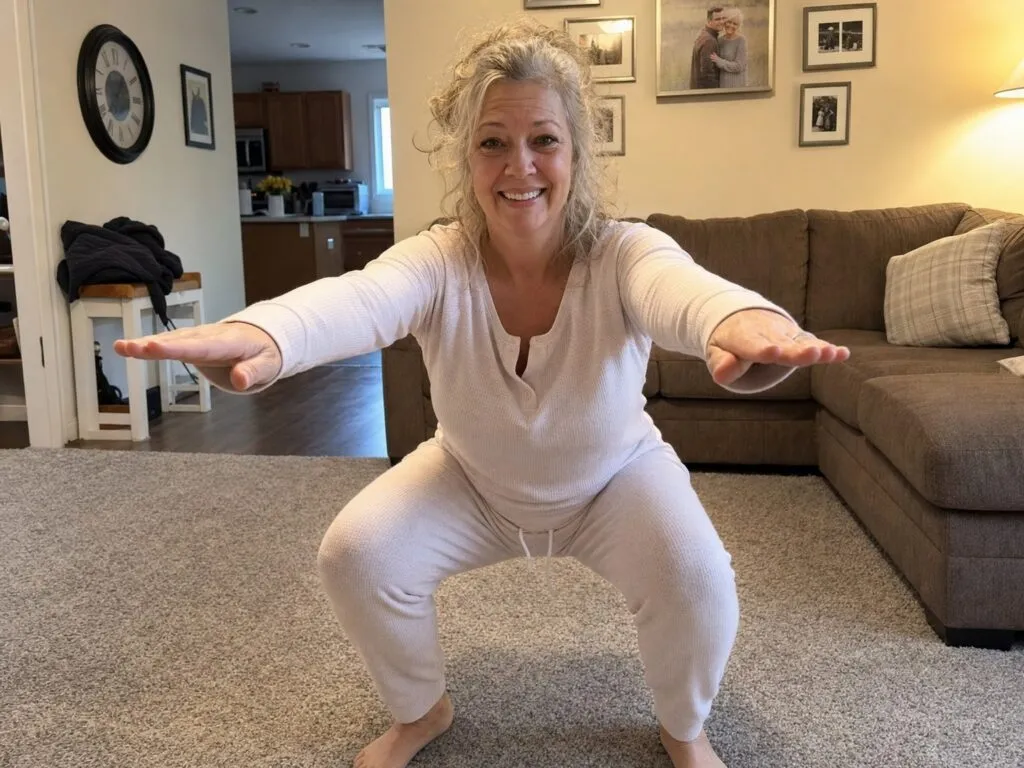
I go back to my doctor at the three-month mark. He asks about my pain level.
I say “Most days? A 2 or 3.”
He looks at his notes. Looks at me. Looks back at his notes.
“Well,” he says, “whatever you’re doing, keep doing it. We can hold off on the injections.”
No mention of cortisone. No scheduling tablet. Just “keep doing it.”
I went back to the same doctor last month. Eighteen months in now. He pulled up my chart, looked at my movement during the exam — full range of motion, no grinding sounds, no visible swelling — and he actually paused. Took his glasses off and set them on the desk.
“I have to be honest with you,” he said. “When you refused the cortisone injections, I didn’t think this was going to go well. Your mobility is better than most of my patients who’ve been on injection protocols for years.”
I just sat there for a second. Because this was the same man who gave me that look when I asked about alternatives. And now he was acknowledging the improvement he was seeing.
I didn’t say I told you so. I didn’t need to. I just needed to hear him say what I already knew — that I was right to keep looking.
My pain level? Most days I don’t even think about it.
My mobility improved noticeably. My morning stiffness reduced significantly. The sudden flare-ups became much less frequent.
And most importantly?
I’m NOT getting cortisone shots. I’m NOT dealing with the constant swelling my mother had. I’m NOT counting down to surgery.
My experience was different from my mother’s.
And my husband — the one who said I was “turning into one of those people”? He came to me a few weeks ago. Said he could tell something was different about me. Not just the mobility. The energy. The mood. The fact that I wasn’t dreading every doctor’s appointment anymore.
He asked me what exactly I’d been using. I told him about Kinzeno. Showed him the research I’d found. He didn’t say much. But I noticed him rubbing his shoulder that night — the one he’s been complaining about for months.
The next morning, he asked if he could use some of my gel.
Two weeks later, he ordered his own supply.
Many people are exploring topical options that deliver anti-inflammatory compounds and tissue-supporting nutrients directly to the joint area.
Here’s something worth considering:
Joint health is something many people wish they’d explored sooner. If you’re considering natural options, it may be worth looking into them.
If you’re dealing with joint discomfort and exploring natural approaches, there are options available alongside your regular care.
Many people have found it helpful to explore natural alternatives alongside their regular care.
If you’re dealing with persistent joint discomfort and looking for additional support, Kinzeno may be worth exploring.
I put the link below. And honestly? Even if you’re skeptical like I was, grab one tube. Try it for 60 days — and if you don’t see results, they’ll give you a full refund. Use it morning and evening, massage it in for 3 minutes, and see if your pain responds the way mine did.
If you’re curious, visit the official website to learn more about Kinzeno and their 60-day money-back guarantee.
It’s been a positive experience for me, and I wanted to share my story. Individual results may vary.
P.S. — If your doctor has told you to “just start injections,” or if someone in your life thinks you’re overreacting by looking for alternatives — I was you. I almost gave up and went the injection route. But I’m glad I explored alternatives first. If you’re curious, Kinzeno offers a 60-day money-back guarantee, so there’s very little risk in trying it.
Kinzeno
👉 Click here to try it